
Chapman History
George Chapman
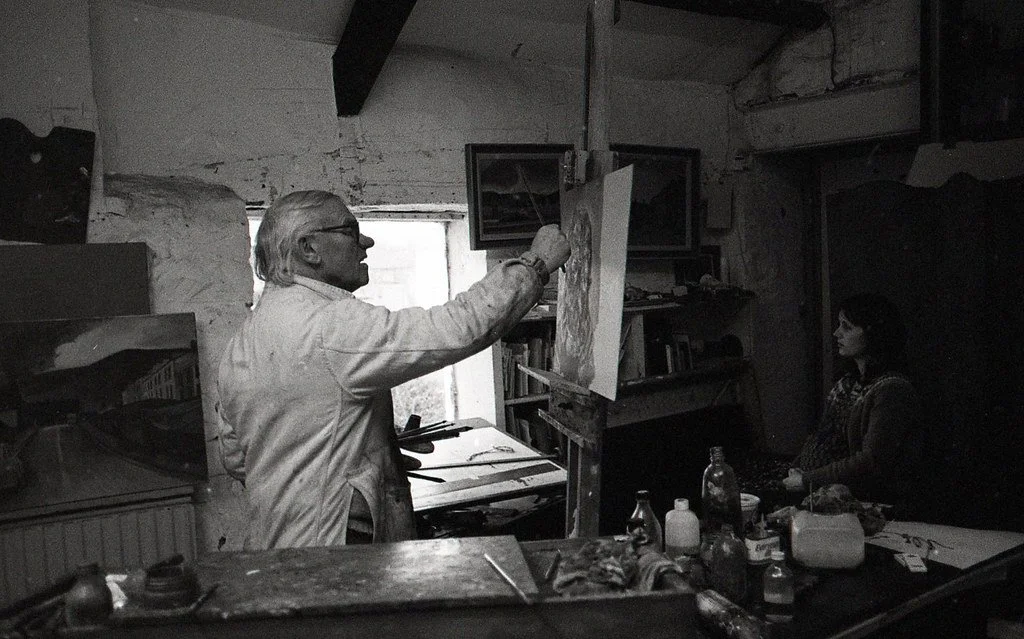
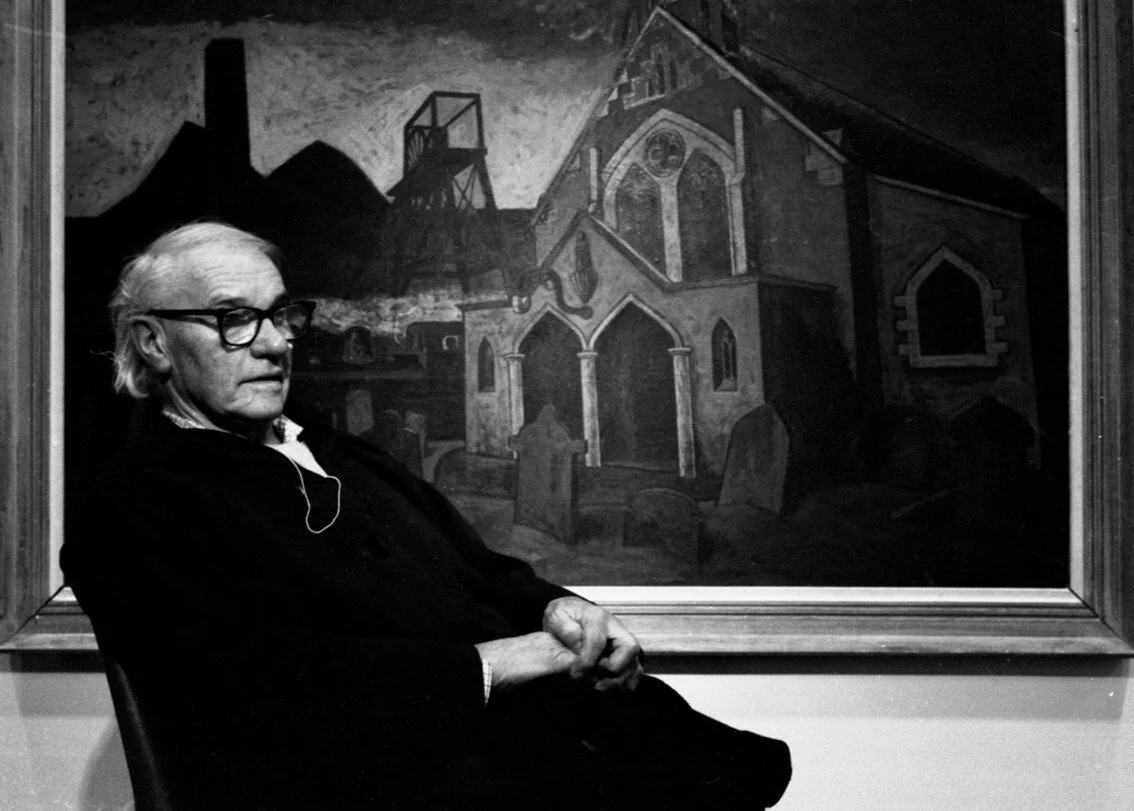
The story of Chapman Arts begins with the painter and printmaker George Chapman (1908–1993), whose life and work became deeply connected with Wales. After discovering the Rhondda Valley in 1953, George found a subject that would shape his career for the rest of his life. He returned repeatedly to the South Wales valleys, producing paintings, drawings and etchings that captured not only the industrial landscape, but the everyday lives of the communities who lived there. His work became an important visual record of a changing Wales, and in 1957 he was awarded the Gold Medal for Fine Art at the National Eisteddfod of Wales.
Aberaeron
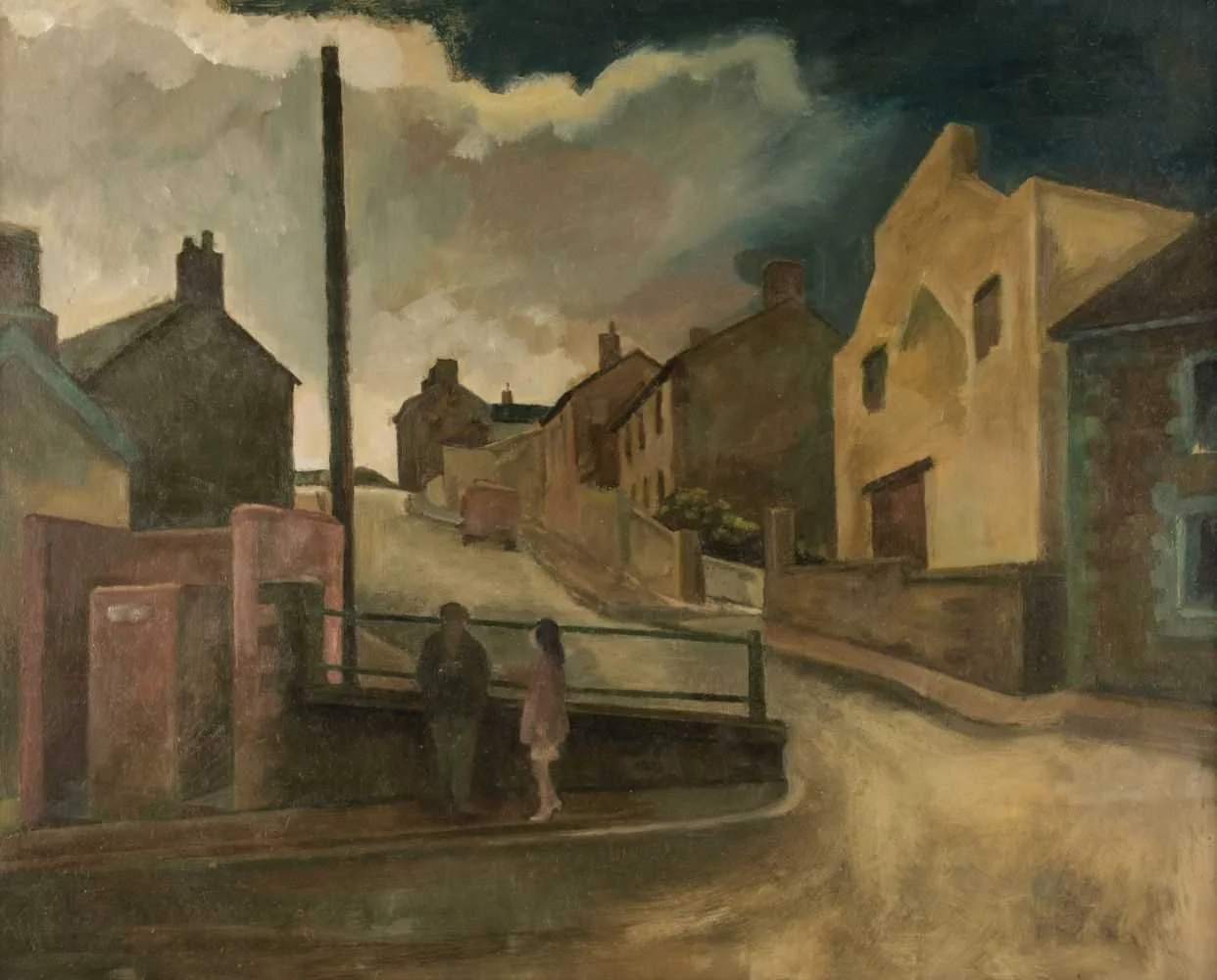
George eventually settled with his family in Aberaeron, Ceredigion, where he lived and worked until his death. His connection to Wales, and his belief in the importance of observing ordinary places and people, became part of the artistic inheritance passed through the family.
The Chapman Family
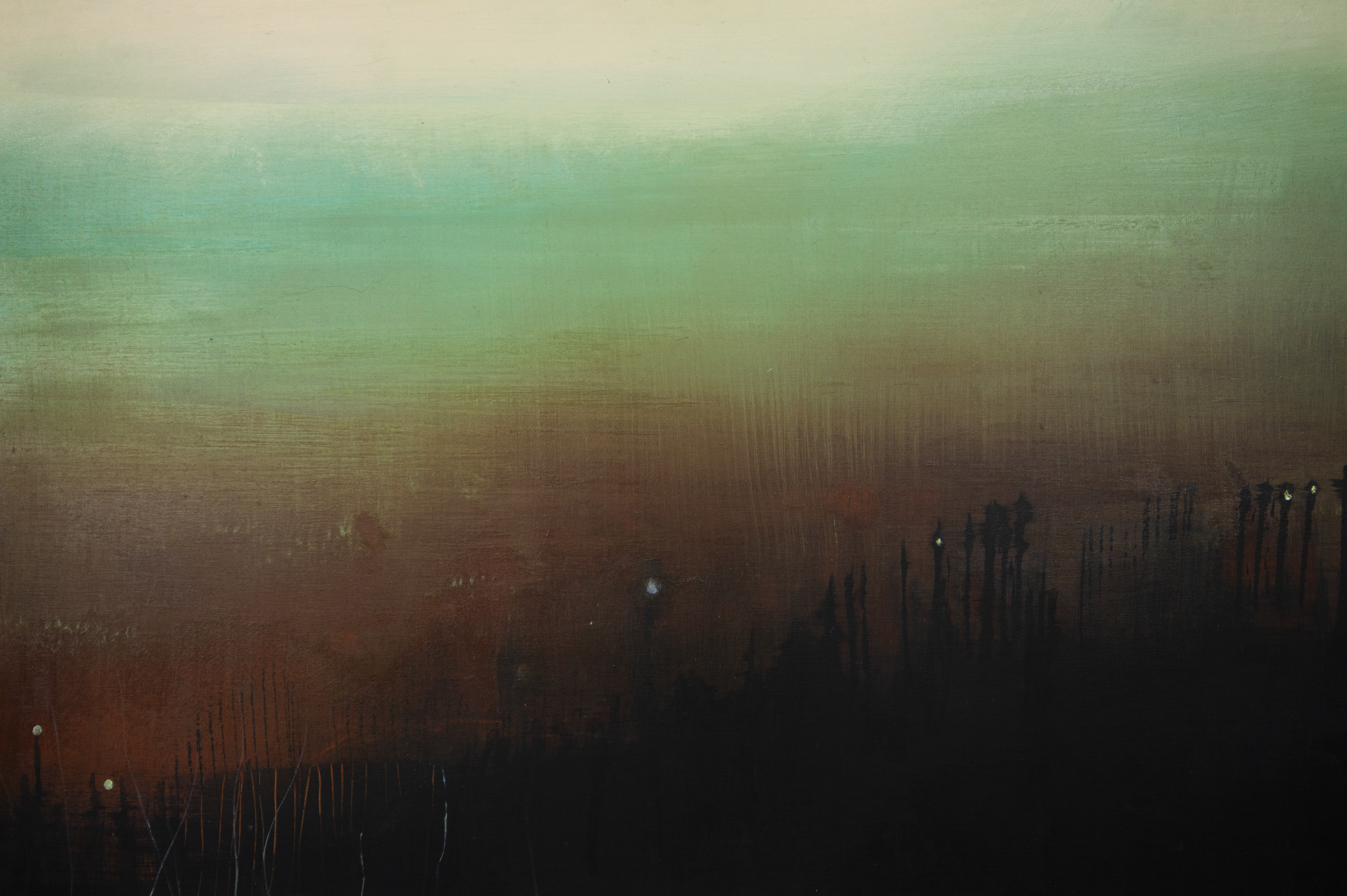
Today, that creative tradition continues through subsequent generations of the Chapman family. Working in very different styles and with very different concerns, the artists share an underlying connection to place, memory, personal experience and the world around them. From George’s observations of Welsh communities and landscapes to the more personal, psychological and contemporary practices of his descendants, the family story demonstrates how artistic ideas can evolve while remaining connected to a common heritage.
Chapman Arts brings these generations together: a family shaped by Wales, by art, and by an enduring belief in the value of looking closely at the places and experiences that make us who we are.